


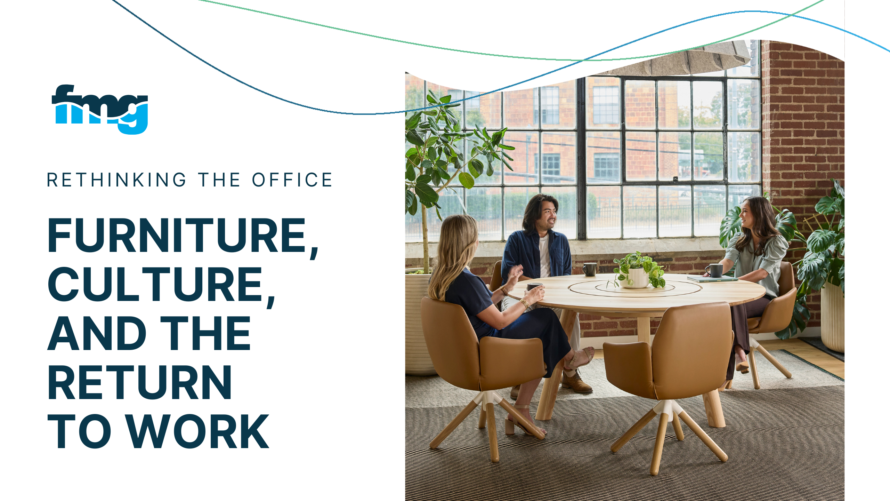
Before the pandemic, working in the office was simply a given. It was the center of collaboration, culture, and daily routine. Then, almost overnight, everything changed. For the first time, knowledge workers across industries transitioned to fully remote work. What began as a necessity became a new normal—one that many employees grew comfortable with.
Now, as businesses attempt to re-establish in-person operations, they’re encountering a new challenge: resistance to returning to the office full time.
Understanding the Resistance
It’s not just about commutes or dress codes. Employees cite several reasons for their hesitation:
- Loss of autonomy: Remote work offered flexibility in how and where people worked.
- Concerns about productivity: Many found they could focus better at home, away from office noise or interruptions
- Work-life balance: The lines between personal and professional lives blurred in both positive and negative ways.
- Well-being: Home environments, when designed right, feel more comfortable and tailored to individual needs
“8 in 10 companies report losing talent due to rigid RTO policies. This quantifies the “resistance” you are discussing and proves that the stakes for geting office design right are high for retention. ”
— Source Archie
So, how do we bridge the gap between what employees want and what companies need?
Furniture and Culture Go Hand-in-Hand
The answer isn’t to recreate pre-pandemic norms. Instead, it’s to reimagine the workplace as a destination worth returning to—a place that enhances productivity, fosters connection, and reflects the evolving culture of work.
Here’s how FMG helps facilitate that:
Designing for Choice and Flexibility
Furniture should support a range of work styles—from quiet focus to spontaneous collaboration. Flexible workspaces that offer modular seating, height-adjustable desks, phone booths, and touchdown areas create a more inclusive environment for different working preferences.
Supporting Hybrid Culture
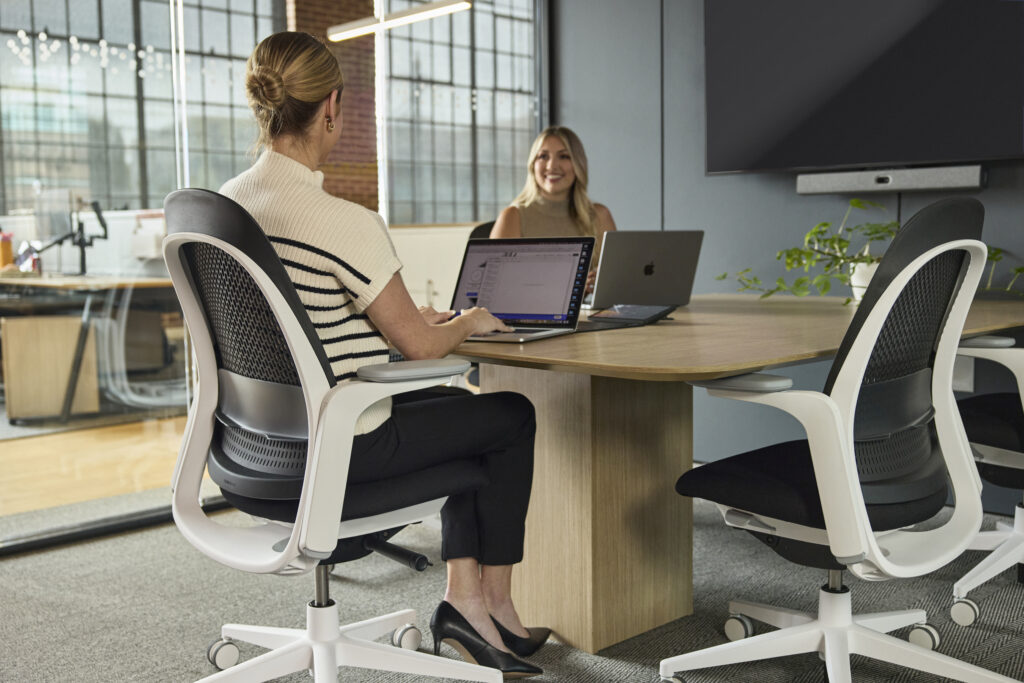
Today’s office isn’t about being at your desk from 9 to 5. It’s about presence with purpose. Shared workstations, video-enabled huddle rooms, and flexible meeting spaces help teams flow between remote and in-person collaboration with ease.
Promoting Well-being Through Design
Comfortable, ergonomic, and inviting furniture shows employees their health and happiness are valued. Biophilic elements, soft seating areas, and wellness zones signal a shift toward more human-centered workplaces.
Creating Community
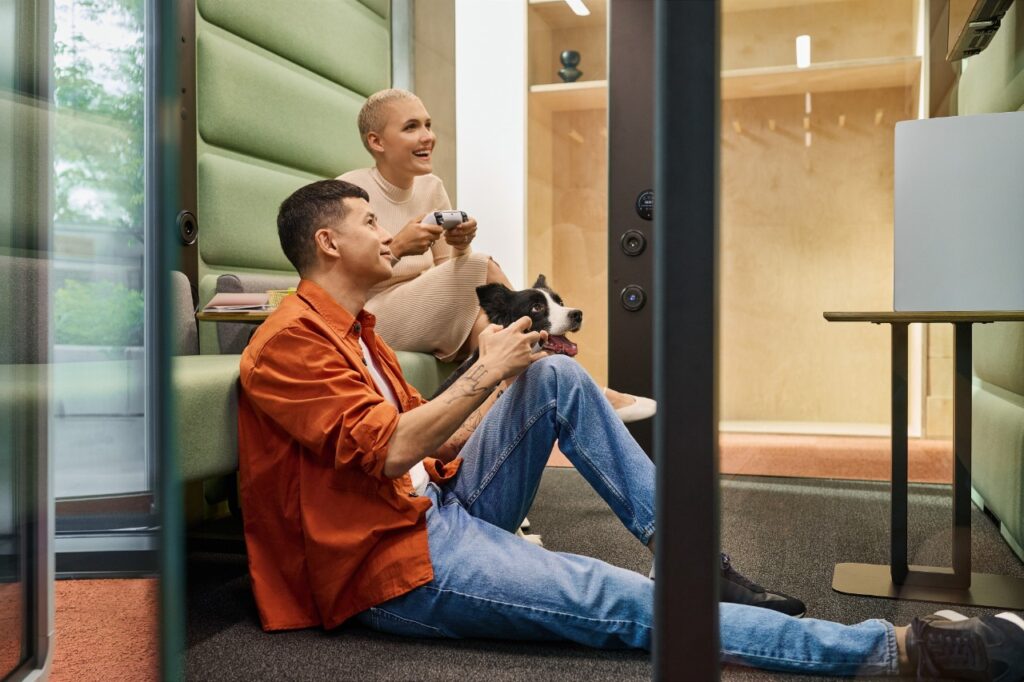
Employees often cite “seeing people” as a top reason to return to the office. But that means creating spaces that are more than functional—they must feel social, energizing, and welcoming. Think cafés, lounge areas, and informal gathering spots.
Reinforcing Brand and Purpose
The office should be a physical expression of company culture. From branded design elements to thoughtful space planning, FMG works with clients to ensure that employees feel a sense of pride and alignment when they walk through the door.
“The 2026 office is no longer just a place to sit, but a “cultural hub” for purposeful activities. ”
— Source Built In
The Bottom Line
Returning to the office isn’t about reversing progress—it’s about evolving with intention. At FMG, we help companies create environments that inspire people to do their best work, together. The right furniture, thoughtfully applied, can make the office not just a requirement—but a destination.
Let’s reimagine the workplace, together.
About FMG
FMG designs, specifies and delivers comprehensive workplace solutions. As a “Best In Class Dealer,” FMG has a strategic partnership with Haworth Inc., a global leader in the design and manufacturing of commercial office furniture that includes movable walls, systems furniture, seating, storage, and more.
FMG’s commitment goes beyond providing world-class furniture and architectural products. The very essence of our company is founded on values that place our clients at the heart of everything we do, treating them like family and building trust through exceptional service.